
On the Analogue
There is still paper.
On why we reach for pen and page in a world that never stops moving.
A beginning
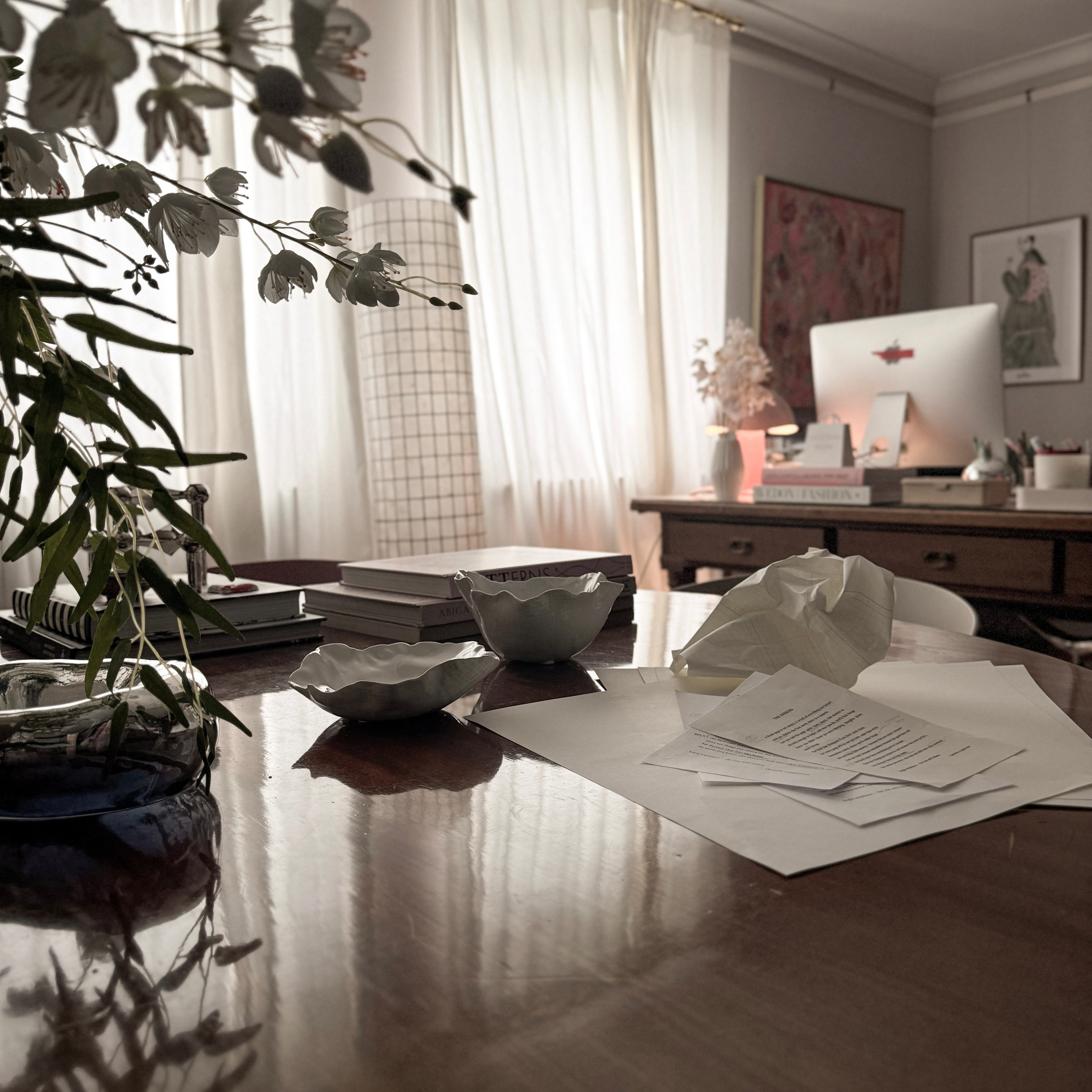
In the morning, before the phone wakes, it lies on the table. Not illuminated. Not waiting. Just still — and somehow ready.
At some point, you reach for it. And the world lights up. It hums, it demands, it fills the room.
A notebook makes no sound when you open it. No ping. No brightening screen. Only the quiet creak of the spine, gently saying: here you are.
There is a sound
no screen can replicate.
The soft give of a page
opening under your fingers.
The sound of a beginning.

We live in a time when everything is possible — on a screen. Notes in the cloud, calendars that sync themselves, reminders that blink and buzz. The question is not whether the technology works.
It works.
The question is what we need. Not our devices. Not our systems. Us.
The question beneath it all
There is an app for everything. For lists, for goals, for habits, for gratitude. And still — people reach for paper.
They buy notebooks. They fill weekly planners by hand. They write down the things they don’t want to forget in a language that belongs only to them.
Perhaps the real question is not: Why still paper?
But: What does paper give us that nothing else can?
The body remembers
When we write by hand, something shifts. Slower than typing. More deliberate. The hand asks us to choose — this word, this thought — before the next line appears.
A notebook remembers you. Not just your ideas — but the pressure of your pen on a difficult day. The wider handwriting of a morning that felt light. The way your words lean or scatter when you are tired, or excited, or trying to make sense of something not yet clear.
It keeps the unfinished sentence that meant more than the polished one. A crease in the page where you turned too quickly, mid-thought.
It is alive in a way pixels are not. And it holds you in a way no app ever will.
This space is yours
A blank page has no notifications. No small red dots asking for your attention. No algorithm deciding what comes next.
It offers only space. And space — real, uninterrupted space — is quietly extraordinary.
When you plan on paper, you are not planning for a system. You are not optimising for an app. You are making a small, steady claim on your own time — this week belongs to me — before anything else gets the chance to speak over it.
Ritual, not routine
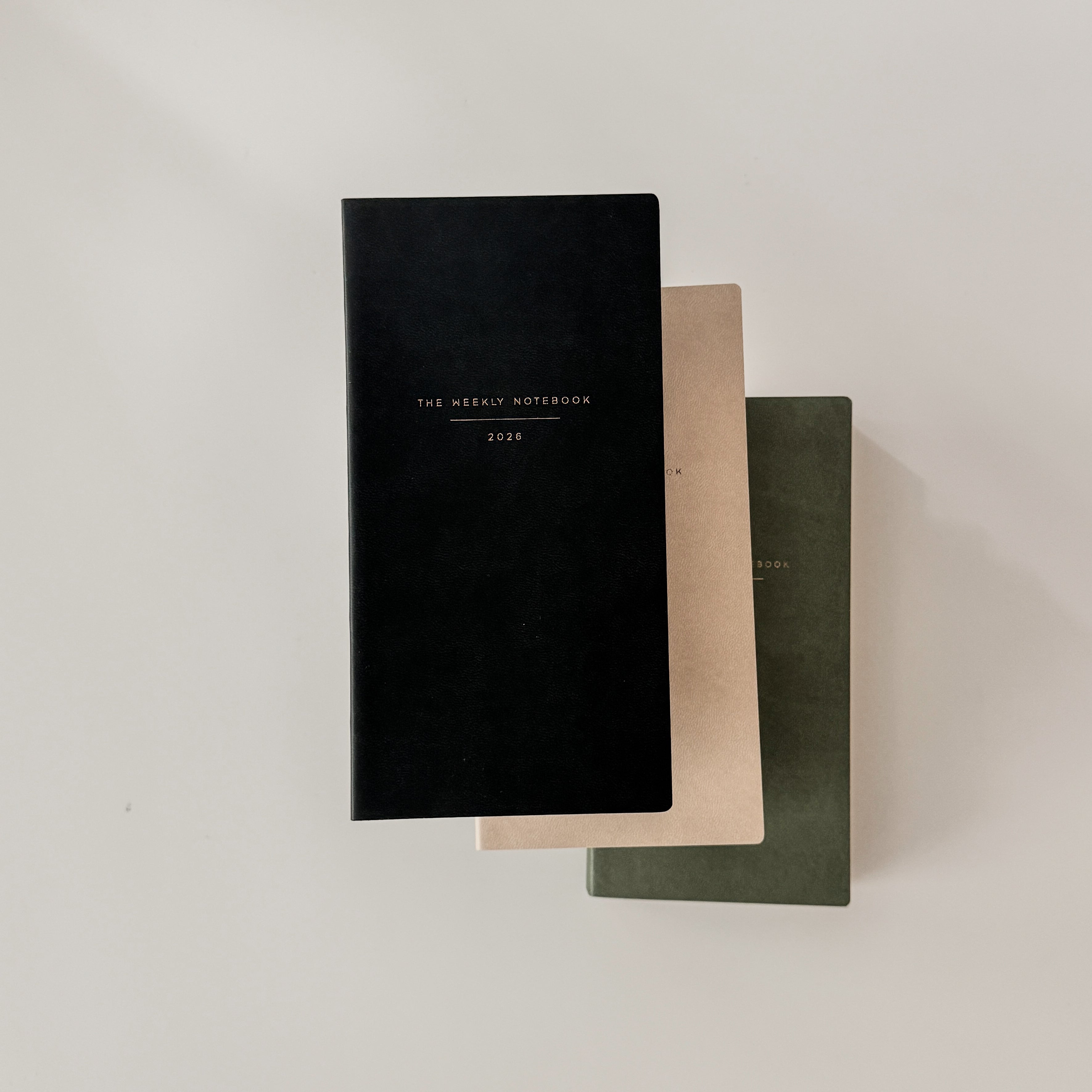
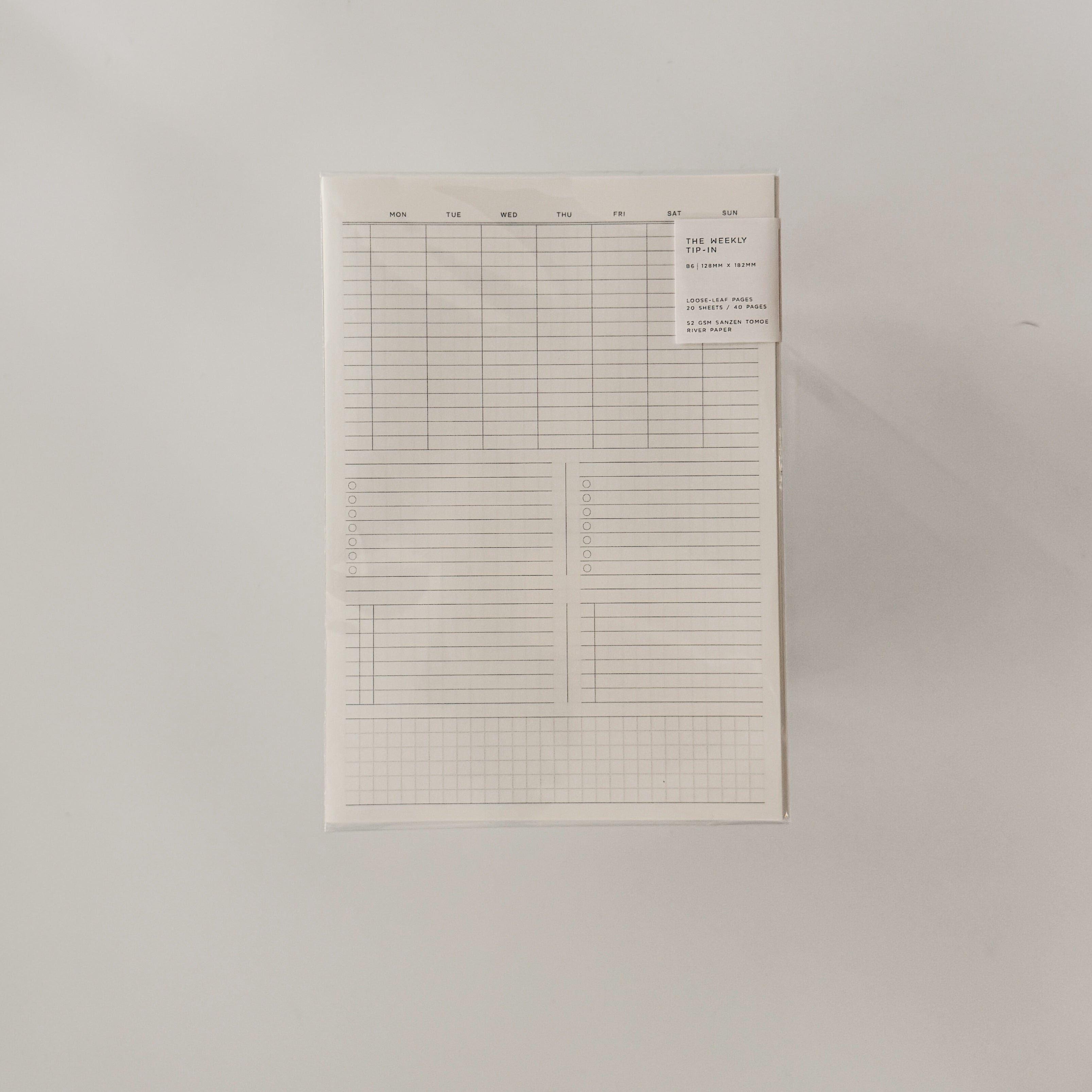
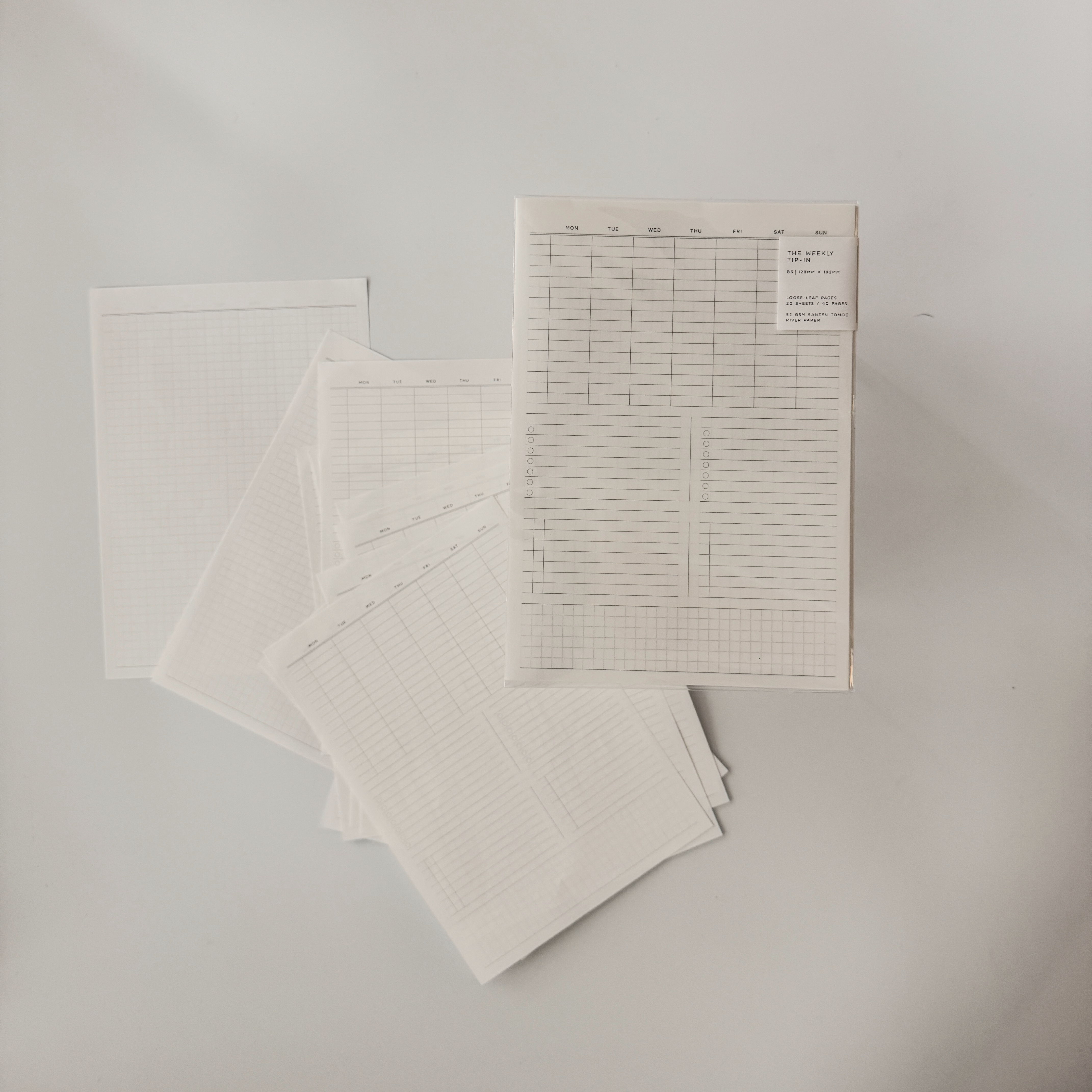
A weekly planner is not a tool. It is a ritual.
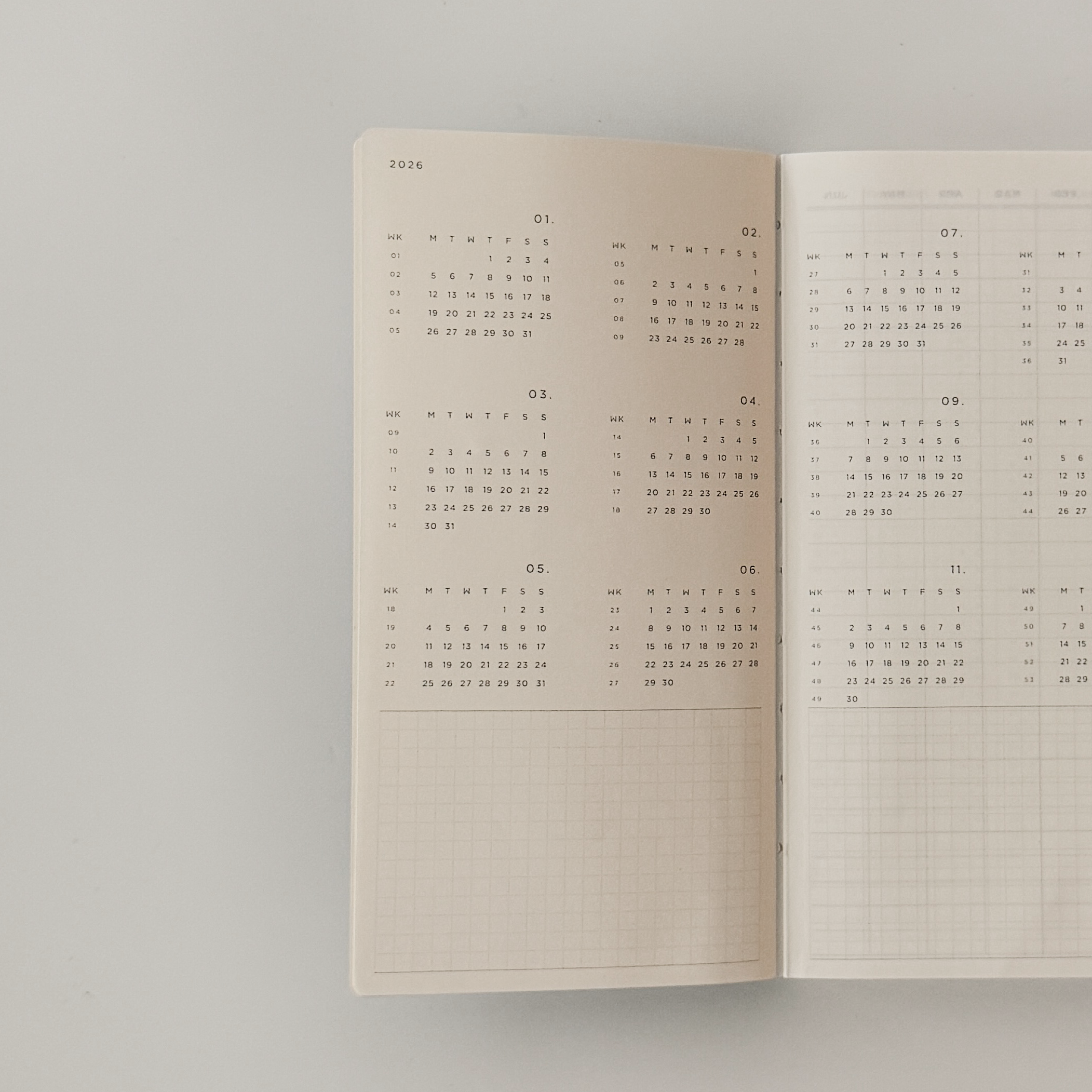
The opening on Monday morning. The small boxes, still empty. The quiet moment of deciding what matters — before the day begins to decide for you.
Apps remind us what we have to do.
Paper invites us to remember what we want.
What we’re reaching for
Perhaps the real question is not why we still use paper. Perhaps it is: what we are searching for when we reach for it.
Maybe we reach for paper because it gives us something we forget we are allowed to have.
A beginning that asks only for presence.
A place that holds no expectations except the ones we choose.
Stillness, maybe. Or continuity — a notebook on a shelf that quietly remembers who you were that year. Or simply the feeling of finishing something — a mark made in ink, not pixels. Permanent in the way that matters.
This is not about paper versus screen.
It is about the choice to be present in something.
The quiet, almost brave act of sitting down and saying: I am here. This matters.
Paper does not do everything. It cannot notify you. It does not push itself into your day. But it does something hardly any app does:
It stays exactly where you left it.
It holds exactly what you gave it. Without sorting it, judging it, or changing it.
And each time you open it, it only asks one thing:
that you arrive.
That is what a blank page holds.
Not emptiness.
Permission.

Comments
Good day.
Does this journal fit into the Louis Vuitton desk agenda?
Sabrina
Wunderschön geschrieben! ❤️